23 November 2026
Veneers Oxnard CA for a Youthful, Refreshed Appearance
Presented by @johnathanjvgm260
A fresher smile changes more than photographs. It changes how people carry themselves in a meeting, how they laugh at dinner, and whether they instinctively cover their mouth when talking. That is often what brings patients in to ask about veneers. They are not always chasing a dramatic makeover. More often, they want to look like themselves again, only more rested, more polished, and less distracted by chips, staining, or uneven edges that have slowly become the first thing they notice in the mirror.
For patients exploring Veneers Oxnard CA, the goal is usually not perfection. It is harmony. A youthful smile has certain visual qualities, brighter enamel, smooth edges, balanced proportions, and a shape that supports the lips without looking bulky or artificial. Veneers can address many of those details with precision, which is why they remain one Veneers Oxnard CA of the most effective cosmetic dentistry options for people who want visible improvement without years of orthodontic or restorative treatment.
Why smiles start to look older
Teeth tell a story. Even if someone has taken reasonable care of them, time leaves marks. Enamel naturally wears down. Coffee, tea, red wine, and tobacco stain the surface and sometimes the deeper layers. Small chips happen from years of use, not just accidents. Grinding, clenching, and bite pressure flatten the front teeth, which can make the smile look shorter and older than it used to.
There is also a facial component people do not always recognize right away. Front teeth play a quiet but important role in supporting the lips. When teeth become worn, narrow, or irregular, the lower third of the face can lose some of its youthful structure. That does not mean veneers are a substitute for broader facial treatment, but they can make a noticeable difference in how the smile frames the face.
A patient in their early forties might say, "My teeth are healthy, but they look tired." That is often exactly the issue. The problem is not decay or pain. It is a gradual loss of brightness, length, and symmetry. Veneers are well suited for that kind of cosmetic aging because they can restore those features with control that whitening alone cannot provide.
What veneers actually do
A veneer is a thin shell, usually porcelain, bonded to the front surface of a tooth. It changes the visible shape, color, and contour while preserving much of the underlying tooth structure. In experienced hands, veneers can close small gaps, improve proportions, correct minor rotations, disguise deep discoloration, and rebuild worn or chipped edges.
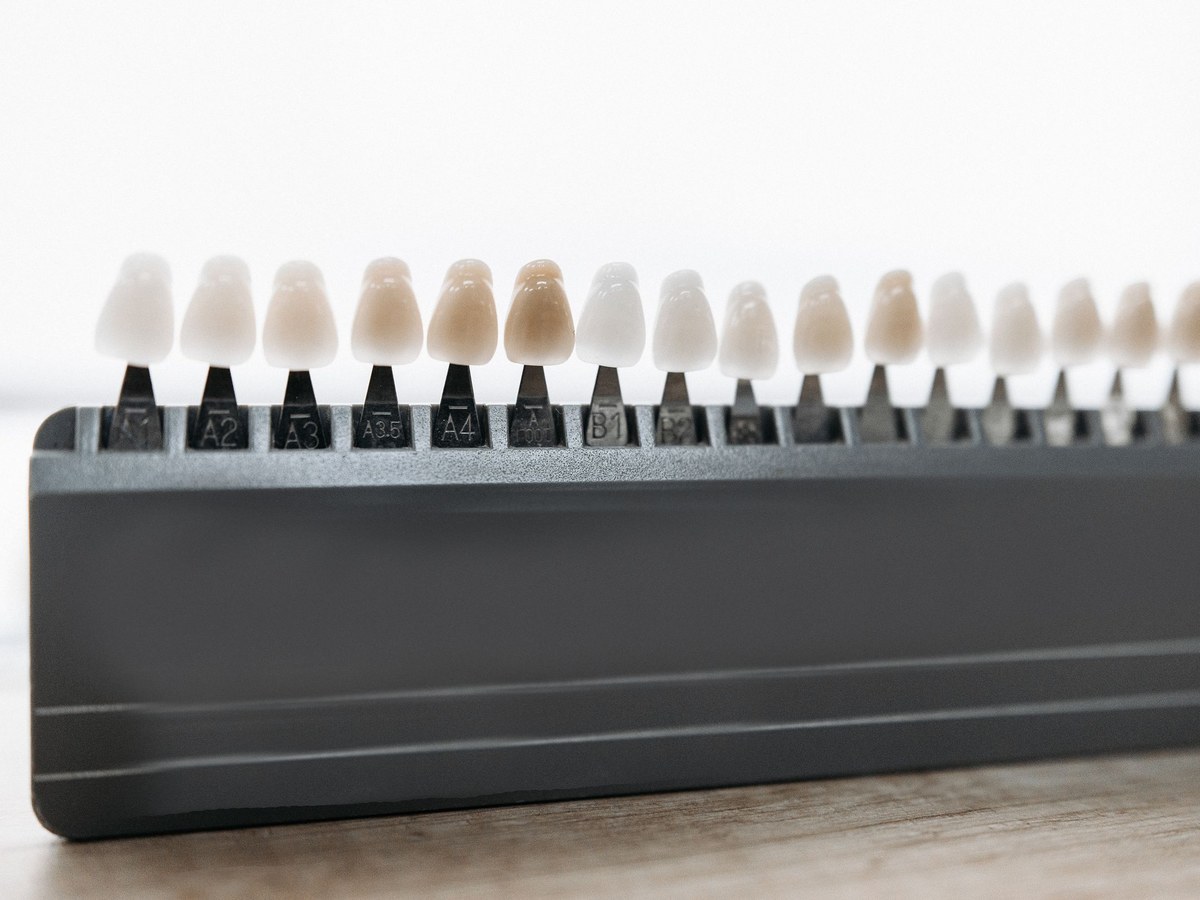
Porcelain is popular for a reason. It reflects light in a way that resembles natural enamel, and it resists staining far better than composite bonding. When designed carefully, porcelain veneers do not look opaque or flat. They have depth. Good veneers are rarely the kind people point out. More often, others notice that the person looks healthy or refreshed without immediately knowing why.
That subtlety matters. The best cosmetic dentistry does not announce itself. It should fit the person’s age, face, skin tone, lip movement, and personality. A twenty-eight-year-old fitness instructor, a fifty-five-year-old attorney, and a retired teacher may all want whiter teeth, but the final design should not be identical. The shape and finish that flatters one person can look out of place on another.
The difference between a bright smile and an overdone one
Many people are interested in veneers but hesitate because they have seen bad cosmetic work. They have noticed teeth that are too square, too white, too thick, or too uniform. That concern is valid. Veneers can look extraordinary, or they can look unnatural if planning is rushed or if the design ignores facial balance.
A youthful smile is not the same thing as a blindingly white smile. Natural teeth usually have slight variation in translucency and shape. Younger teeth tend to have more brightness and a little more fullness at the edges, but they still need softness and character. If every front tooth is exactly the same length, shade, and contour, the result often reads as artificial.
This is one area where dentist judgment matters more than marketing language. A good cosmetic plan starts by asking not just what the patient dislikes, but how the smile functions in real life. How much tooth shows at rest. How the lips move when speaking. Whether the patient has a broad smile line or only shows a few teeth. Whether the bite puts unusual force on certain areas. Veneers that look good in a still image but ignore those factors may not feel right or last as well as they should.
Who tends to be a strong candidate
Not every cosmetic concern requires veneers, and not every patient is an ideal candidate on day one. The healthiest veneer cases start with sound teeth and gums. If someone has active gum disease, untreated decay, or severe grinding, those issues need attention first. Veneers are cosmetic restorations, not a way to cover underlying instability.
That said, many adults are excellent candidates. People often consider veneers when they have several cosmetic concerns happening at once. Whitening may improve color, but it cannot correct uneven edges. Orthodontics can straighten alignment, but it will not erase deep tetracycline staining or rebuild worn enamel. Bonding can help in small areas, but larger aesthetic changes often hold up better in porcelain.
A dentist evaluating a veneer case generally looks for a few basics:
- Teeth and gums should be healthy enough to support long-term bonding.
- Cosmetic concerns should be significant enough that veneers offer a meaningful advantage over simpler options.
- Bite forces need to be understood, especially if the patient clenches or grinds.
- Expectations should be realistic, especially around shade, shape, and maintenance.
- The patient should be willing to protect the investment with regular care.
Those points are not meant to discourage anyone. They simply explain why a proper exam matters. A patient with one chipped front tooth may do beautifully with conservative bonding. Another with short, worn, darkened front teeth and old patchwork fillings may get a far better result from veneers.
What the process usually looks like
The veneer process is more deliberate than many people expect, and that is a good thing. Fast cosmetic dentistry is not always careful cosmetic dentistry. A thoughtful process gives room for design decisions and reduces the chance of surprises.
It usually begins with a consultation, photographs, and a discussion about what the patient sees when they smile. Sometimes people say they want whiter teeth, when the real issue is shape. Others focus on a gap that bothers them, when the broader imbalance comes from worn edges or uneven widths. The consultation helps narrow the real priorities.
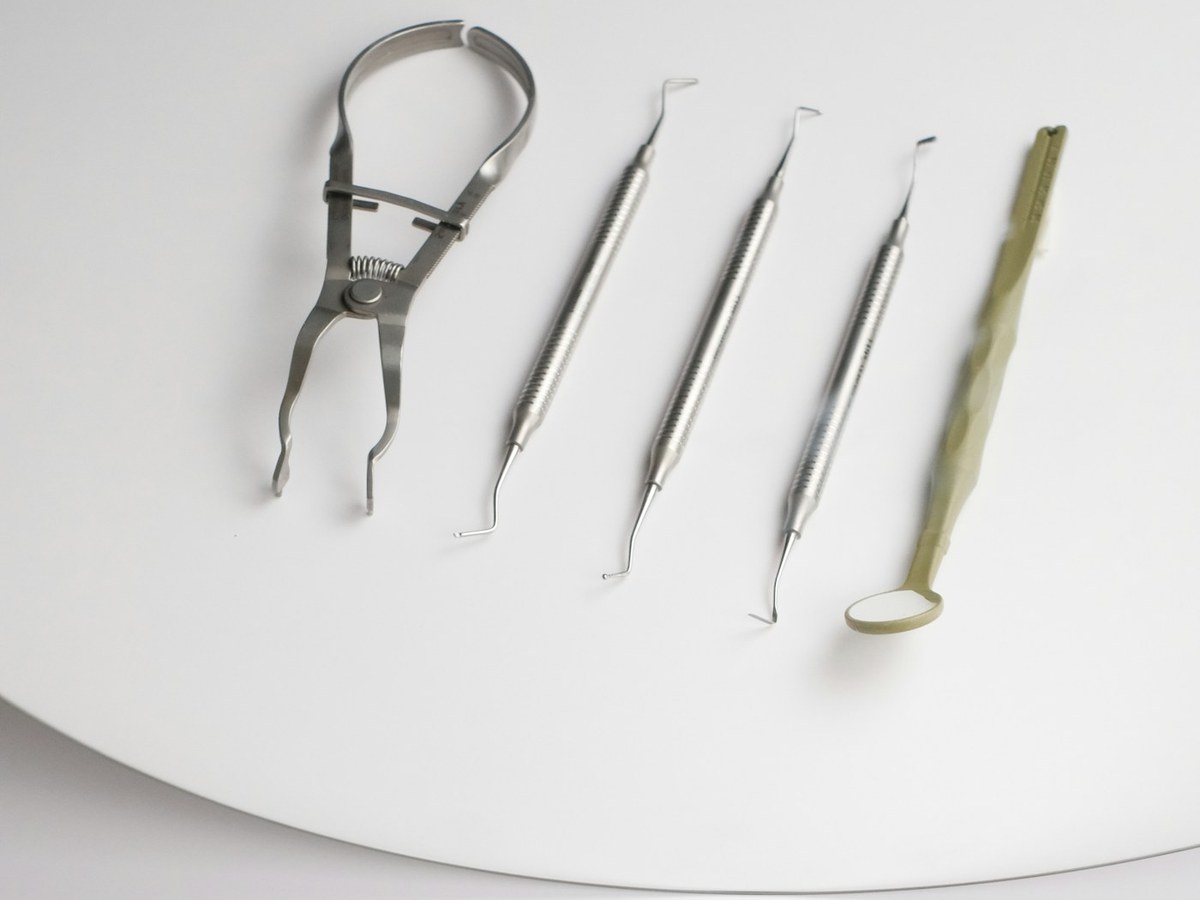
From there, the dentist may recommend records such as X-rays, digital scans, or diagnostic models. In many high-quality veneer cases, a preview phase is part of the plan. That might mean a wax-up or mock-up that allows the patient to see the proposed shape before final porcelain is made. This step is especially valuable for front teeth because small changes can make a major difference.
Once the design is approved, the teeth are prepared. Preparation can be minimal, but it still requires skill. Enough room has to be created so the veneer does not look bulky, yet the dentist also wants to preserve as much natural tooth structure as possible. Temporary veneers are often placed while the final restorations are being fabricated. Those temporaries are not just placeholders. They can reveal how the new length feels, how the speech sounds, and whether the smile design needs small refinements.
At the delivery visit, the veneers are tried in, evaluated for fit and aesthetics, then bonded into place. This is where precision matters. Shade selection, contour adjustment, and bonding technique all affect both appearance and durability.
How veneers create a younger appearance
The phrase "youthful, refreshed appearance" can sound vague until you break it down clinically. Veneers often create that effect by restoring several age-related changes at once.
First, they can lengthen teeth that have been worn down over time. Even a millimeter or two of restored edge length can brighten the smile and improve tooth display. Second, they can refine the width-to-length proportions of front teeth, which influences whether the smile looks soft, energetic, and balanced. Third, they can replace dull or blotchy coloration with a cleaner, healthier tone that still looks believable.
There is also a texture component. Natural enamel has a way of catching light that contributes to vibrancy. High-quality porcelain can reproduce that effect much better than many people realize. When that light reflection is combined with smoother edges and better symmetry, the entire lower face can appear more animated.
One of the more satisfying cases is the patient who has never had major dental pain or missing teeth, but simply feels their smile no longer matches how they feel inside. They may be active, healthy, and professionally confident, yet old dental wear keeps making them look more tired than they are. Veneers can bridge that disconnect.
Veneers compared with other cosmetic options
The right treatment depends on the problem being solved. Veneers are powerful, but they are not the only cosmetic tool worth considering.
Whitening is often the first place to start for patients whose teeth are generally well shaped and only mildly stained. It is conservative and effective, but it has limits. Intrinsic discoloration, old fillings, chips, and uneven contours will still show.
Bonding is useful for small chips, minor gaps, or subtle reshaping. It can be an excellent option when the goal is conservative improvement on one or two teeth. The trade-off is that composite resin usually stains and wears faster than porcelain, especially in patients who drink coffee daily or have a heavy bite.
Orthodontics helps when alignment is the main issue. Some patients benefit from straightening first, then using whitening or selective bonding instead of veneers. Others choose veneers because their concerns involve color, wear, and shape all at once, and they want a more comprehensive solution.
Crowns come into the conversation when a tooth is heavily damaged, heavily filled, or structurally compromised. Veneers are more conservative because they cover only the front surface, while crowns cover the entire tooth. If a tooth truly needs a crown, a veneer is not the better choice simply because Oxnard Dentistry Veneers Oxnard CA it sounds less invasive.
This is where a real consultation matters. A good cosmetic plan should explain not only what can be done, but what should be done and why.
The Oxnard factor: local lifestyle and practical concerns
Patients seeking Veneers Oxnard CA often have practical concerns that are shaped by local lifestyle. Coastal living can be social and image-conscious without being overly formal. People want to look polished, but they rarely want a smile that seems manufactured. That tends to favor veneer designs that are bright and clean while still natural in shape and translucency.
There are also habits that matter. A patient who surfs at dawn, drinks two coffees before noon, and occasionally grinds their teeth under stress brings a different set of considerations than someone with a lighter bite and fewer staining habits. Those details affect material choice, shade planning, and long-term maintenance.
Profession plays a role too. If someone speaks publicly, works in client-facing sales, or spends a lot of time on video calls, they often notice asymmetries and discoloration more acutely. The front four to eight teeth become a focal point not just in person, but on screens where lighting can exaggerate flaws. Veneers can improve that visual consistency in a way that is noticeable without looking forced.
How long veneers last, realistically
Patients often ask for a precise lifespan, but dentistry does not work like a kitchen appliance warranty. Veneers can last well over a decade, and many do, but longevity depends on design, bite forces, oral hygiene, and habits. Someone who uses their front teeth to open packages, chews ice, or ignores a grinding problem is likely to shorten the life of even excellent dental work.
Porcelain itself is durable, but it is not indestructible. Margins need to stay clean. The bonding interface needs to be protected. The surrounding teeth and gums need to remain healthy. A night guard is often recommended for clenchers and grinders, and that advice should be taken seriously. Some of the veneer failures seen in practice are less about the porcelain and more about unaddressed bite stress.
A fair expectation is that veneers are a long-term cosmetic investment, not a one-time permanent fix that requires no upkeep. Patients who understand that usually do very well with them.
Caring for veneers without overthinking it
Maintenance is straightforward, but not optional. Veneers do not decay, yet the teeth underneath them still can. Gums can still become inflamed. Edges can still chip if they are abused.
A simple care routine goes a long way:
- Brush twice daily with a non-abrasive toothpaste.
- Floss carefully around each veneer and along the gumline.
- Keep regular dental cleanings and exams.
- Wear a night guard if grinding or clenching is a concern.
- Avoid using teeth as tools for tearing or opening objects.
One practical note many patients appreciate: porcelain resists staining better than natural enamel, but the surrounding natural teeth may still change color over time. That means shade planning should be thoughtful from the start. Going unnaturally white can make future matching difficult, especially if veneers are only being placed on the visible front teeth.
Questions worth asking before moving forward
When patients are comparing offices for Veneers Oxnard CA, the quality of the conversation often matters as much as the portfolio photos. Beautiful before-and-after images are helpful, but they do not tell the whole story. Ask how the dentist plans cases, whether temporary mock-ups are used, how bite issues are evaluated, and what kind of maintenance to expect.
It is also reasonable to ask how conservative the approach will be. Modern veneer dentistry has moved toward preserving tooth structure whenever possible, but not every case is marketed honestly. If someone is told they need a full set of restorations without a clear explanation of why, that deserves a second opinion.
A good consultation should leave the patient feeling informed, not pressured. Cosmetic dentistry is part technical skill and part design judgment. If the provider is listening carefully, discussing trade-offs, and explaining why one path makes more sense than another, that is usually a good sign.
The emotional side of smile changes
One aspect of veneers that does not get enough attention is the emotional shift people experience after treatment. A refreshed smile can make someone seem more outgoing, but often what is really happening is that they stop editing themselves. They smile fully. They speak without thinking about a dark tooth or a chipped edge. They stop comparing old photos to their reflection now.
That confidence effect is real, but it tends to show up most naturally when the dentistry respects the person’s original character. The most successful veneer cases are not about giving everyone the same celebrity smile. They are about removing distractions and restoring balance, so the smile feels like it belongs to the face.
For some, that means subtle refinement of four front teeth. For others, it means a broader redesign of the visible smile zone. The right amount is individual. More treatment is not automatically better treatment.
When veneers are worth it
Veneers are worth serious consideration when multiple cosmetic concerns overlap and the patient wants a durable, polished result that whitening or bonding alone cannot deliver. They can be especially effective for adults whose teeth have become shorter, darker, more uneven, or less harmonious over time. In those cases, the improvement can look immediate and yet still believable.
They are not a casual purchase, and they should not be chosen lightly. The best results come from careful diagnosis, conservative preparation, good laboratory work, and a realistic understanding of maintenance. Done well, veneers do not erase personality. They restore clarity to the smile and often make the whole face look more awake.
For anyone exploring Veneers Oxnard CA, that is the real promise, not a generic makeover, but a smile that looks healthy, natural, and refreshed enough that people notice you before they notice your teeth.
Oxnard Dentistry
1730 E Gonzales Rd, Oxnard, CA 93036, United States
+1 805-307-8731
FAQ About Veneers Oxnard CA
How long do porcelain veneers last?
Porcelain veneers can last for many years, but they can chip, loosen, or wear over time. Their lifespan depends on factors such as your bite, whether you grind your teeth, and daily care. Regular dental visits let your dentist check their condition.
Are dental veneers permanent?
Traditional veneers often require removing a small amount of enamel, so that change to the tooth is generally irreversible. Veneers can still need repair or replacement. Ask your dentist how much preparation your teeth would require.
How much do veneers cost in Oxnard?
Cost depends on the material, how many teeth you want treated, and whether you need other dental work first. Ask for a written estimate that explains the price per tooth and what is included.