27 October 2026
The Ultimate Checklist for Wisdom Teeth Removal Preparation
Presented by @johnathanjvgm260
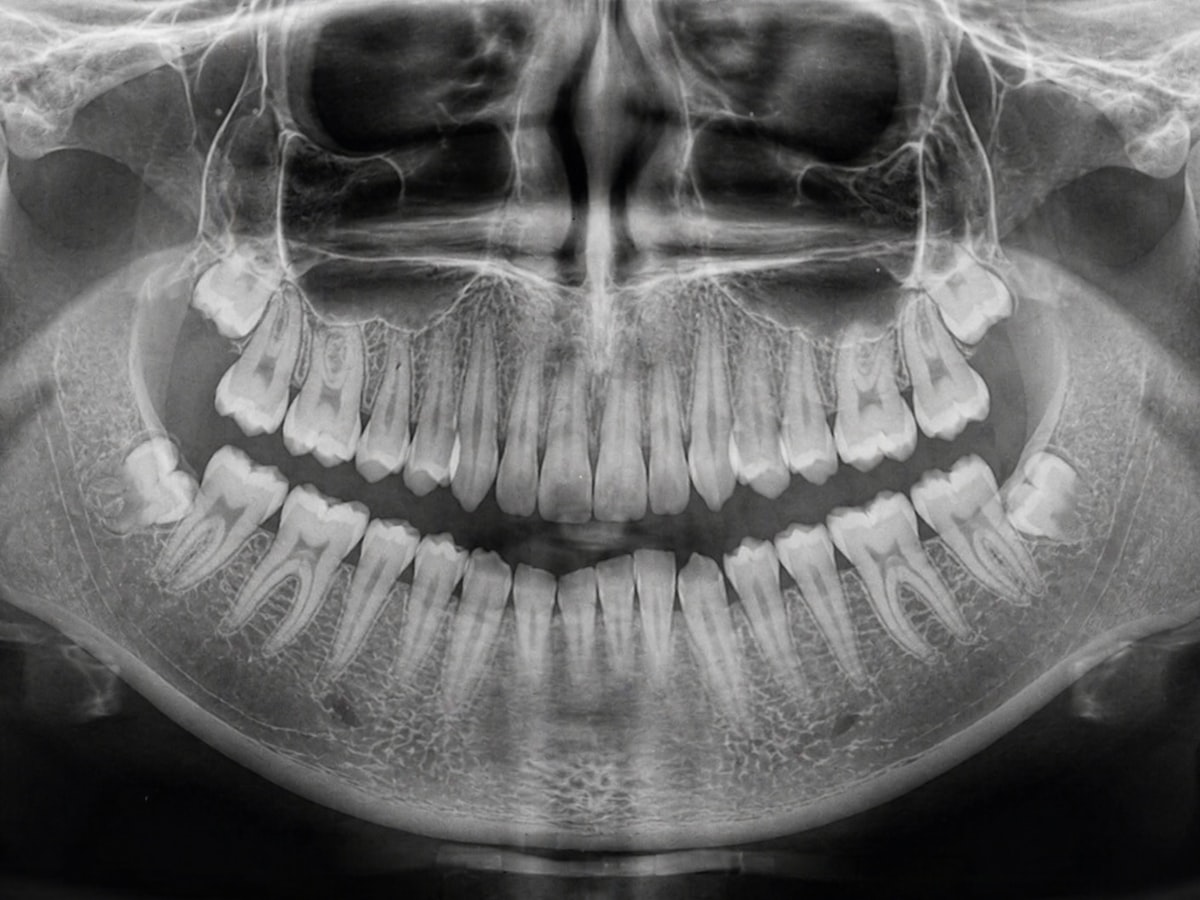
Wisdom teeth removal is one of those procedures people tend to underestimate until the date is circled on the calendar. On paper, it sounds routine. In real life, it asks for planning, a little restraint, and a fair amount of practical preparation. The difference between a rough recovery and a manageable one often has less to do with the procedure itself and more to do with what happens in the days before it.
Most oral surgeons and general dentists perform Wisdom Teeth Removal regularly, and for good reason. Third molars often erupt late, come in at awkward angles, press against neighboring teeth, or stay trapped under the gums. Some never cause major trouble. Others create crowding, inflammation, repeated infections, cysts, decay that is hard to clean, or pressure that radiates into the jaw. If removal has been recommended, preparation is not just about making surgery day easier. It is about reducing avoidable complications, managing pain better, and setting up the first 72 hours, which is when most people either feel relieved they planned well or wish they had.
I have seen the smooth recoveries, where patients are resting at home with ice packs and soft food already in the fridge, and I have seen the preventable messes, where someone stops for groceries after sedation, forgets to pick up prescriptions, or learns too late that crunchy toast was a terrible choice. The details matter.
Start with the real conversation, not just the appointment date
The most important preparation happens before you buy pudding cups or freeze peas for swelling. It starts with understanding what kind of extraction you are having. Not every wisdom tooth removal is the same. A fully erupted upper wisdom tooth may come out quickly and recover with relatively mild soreness. Four impacted teeth, especially lower ones close to the nerve, are a different experience altogether.
Ask your surgeon what they expect your surgery to involve. Are the teeth erupted, partially erupted, or fully impacted? Will bone need to be removed? Will the teeth be sectioned into pieces? Are sutures likely? How long is the procedure expected to take? Those answers shape your recovery timeline far more than generic advice from friends.
This is also the moment to talk about anesthesia options in plain language. Some patients have local anesthetic only. Others receive nitrous oxide, oral sedation, IV sedation, or general anesthesia depending on the setting, complexity, and their health history. Each option carries different preparation rules. If you are having IV sedation or anything deeper than local anesthetic, the fasting instructions are not suggestions. They are safety requirements. A patient who thinks a splash of coffee "doesn't count" may end up with a delayed or canceled procedure.
Be direct about your medical history. Surgeons need to know about asthma, diabetes, bleeding disorders, sleep apnea, heart conditions, acid reflux, seizure history, pregnancy, recent illness, and any prior trouble with anesthesia. Medications matter too, including birth control, antidepressants, blood thinners, acne medications, GLP-1 medications, supplements, and herbal products. People often forget to mention fish oil, ginkgo, St. John's wort, or daily high dose ibuprofen. That omission can affect bleeding, sedation safety, or healing.
If you smoke, vape, or use nicotine pouches, say so. This is not about judgment. It is about risk. Nicotine and suction both increase the chance of dry socket, which is one of the more miserable complications after extraction. Patients who understand this ahead of time are far more likely to adjust their habits for a few days and spare themselves a lot of pain.
The week before, think like someone preparing for a minor surgery
A lot of people approach wisdom teeth removal as if they are preparing for a dental cleaning with extra downtime. It is closer to preparing for a small outpatient surgery. The more efficiently you arrange your home, prescriptions, schedule, and transportation, the less stress you will carry into the chair.
This is the point when your calendar needs attention. If possible, avoid scheduling the procedure right before a major presentation, travel day, wedding, athletic event, or exam. Some patients bounce back quickly, especially after straightforward extractions, but lower impacted wisdom teeth can produce swelling and stiffness that peak around day two or three. If your work involves public speaking, heavy lifting, customer service, or any job where you need to look and feel sharp, build in more buffer than you think you need.
It also helps to prepare the people around you. If you have children, pets, or caregiving responsibilities, arrange support. Sedation can leave people groggy and unsteady. Even with local anesthesia only, the first evening tends to go better when someone else can handle the errands, cooking, or dog walking.
Your practical preparation checklist
Use this as your short, high value checklist in the days leading up to surgery:
- Confirm your ride home and, if sedation is planned, arrange for a responsible adult to stay with you for several hours.
- Fill prescriptions early, including pain medication, antibiotics if prescribed, and an antibacterial rinse if your surgeon recommends one.
- Stock soft foods and drinks that require little chewing, such as yogurt, soup, applesauce, smoothies eaten with a spoon, scrambled eggs, oatmeal, and mashed potatoes.
- Set up a recovery area with pillows, ice packs, water, gauze, lip balm, tissues, and a charger within reach.
- Review fasting and medication instructions the day before, not the hour before.
That last item deserves emphasis. Fasting rules vary depending on the anesthesia plan and your health profile. Some offices use a straightforward nothing by mouth after midnight approach. Others allow clear liquids up to a certain time. Follow the instructions from your own surgical team, not what a sibling remembers from ten years ago.
Food prep matters more than most people expect
People tend to focus on what they cannot eat and forget to make a realistic plan for what they actually will eat. Hunger and pain do not mix well. Neither does trying to invent a recovery menu while your mouth is numb.
Soft food should mean genuinely soft. Smooth yogurt is helpful. Granola on top of yogurt is not. Mashed potatoes work. Hot, crispy fries do not. Scrambled eggs are often fine after the first day, but heavily seasoned breakfast tacos are not the move. Temperature also matters. Very hot food can increase bleeding early on, and icy food may feel good for some people but bother sensitive teeth for others.
A useful rule is to buy foods that are easy to swallow, not just easy to chew. In the first 24 hours, many patients do best with options like lukewarm broth, applesauce, pudding, cottage cheese, protein shakes taken without a straw, and smoothies eaten from a bowl with a spoon. By day two or three, many can advance to oatmeal, pasta, soft rice, flaky fish, pancakes, or tender noodles, depending on comfort. Crunchy edges, seeds, nuts, chips, popcorn, and rice that gets lodged near extraction sites can quickly turn into a nuisance.
Hydration deserves equal planning. Keep water nearby and sip often. Dehydration makes everything feel worse, from nausea to fatigue to headache. It is easy to fall behind if your mouth is sore. Some patients do better with room temperature water than ice cold water, particularly once the numbness wears off.
What to wear and bring on surgery day
Comfort wins. Wear loose, short sleeved clothing if possible, especially if IV sedation is planned. Avoid heavy makeup, lipstick, and contact lenses unless the office says otherwise. Leave valuables at home. If you wear removable dental appliances, ask ahead whether you should bring a case.
If the office has asked for forms, insurance information, imaging, or a medication list, gather them the night before. Do not count on your memory while anxious or rushed. If you have a history of fainting at medical appointments or becoming very anxious in the chair, mention it when you arrive. Experienced teams can often make small adjustments that make the visit smoother, from letting you lie back slowly to explaining each step more clearly.
A common mistake is showing up underprepared because the procedure feels familiar by reputation. Everyone knows someone who had their wisdom teeth out. That does not make your appointment casual. Arriving rested, hydrated within the limits of your instructions, and organized tends to lower stress in a way patients feel immediately.
The ride home is part of the procedure
If you are receiving IV sedation or general anesthesia, your ride home is not optional. It is a safety requirement. That person should be reliable, reachable, and able to come inside if needed. They should not be a rideshare driver, and ideally not someone who may be late, distracted, or unfamiliar with your instructions.
It helps if your escort understands what the first few hours may look like. You may be sleepy, numb, mildly nauseated, or not especially interested in talking. You may need help settling in, timing medications, changing gauze, or remembering when you last had something to drink. Patients who go home to a calm environment almost always fare better than those who end up at a pharmacy checkout line or fast food drive through on the way.
If you are an adult who lives alone, ask whether your surgeon wants someone to stay with you longer. Some practices strongly recommend this after sedation. If you are a parent arranging surgery for a teenager or college student, assume they will need closer supervision than they claim.
Pain control works best when it is planned, not improvised
The best pain strategy is usually the one discussed in advance and started on time. Many people wait until the numbness completely wears off and the pain spikes, then try to catch up. That approach leads to a harder first evening.
Your surgeon may recommend alternating common over the counter medications, prescribe something stronger for breakthrough pain, or tailor the plan based on your health history. Some patients can manage comfortably with ibuprofen and acetaminophen taken on schedule. Others, especially after difficult lower impactions, may need a more layered approach at least for the first day or two. Follow the actual instructions you are given. Do not mix medications casually, and do not assume that "more" means "better."
Nausea is another reason planning matters. Sedation, swallowed blood, pain medication on an empty stomach, and dehydration can all contribute. If you tend to get motion sick or nauseated after procedures, bring that up before surgery. Sometimes one small adjustment, such as timing food carefully, changing the medication plan, or prescribing an anti nausea option, makes a significant difference.
Bleeding, swelling, and the first night
Some oozing after Wisdom Teeth Removal is normal. Heavy, bright red bleeding that fills the mouth continuously is not. Patients often panic over pink saliva, which can look dramatic in the sink. What matters is whether the gauze is becoming saturated quickly and whether steady pressure is helping.
Your surgeon will usually ask you to bite on gauze for a set period after the procedure. Good pressure matters more than constant checking. Every few minutes is too often. Change the gauze as directed, keep your head elevated, and avoid vigorous rinsing or spitting in the early hours because that can disturb the forming clot.
Swelling is usually most noticeable in the first two to three days, especially after lower impacted wisdom teeth are removed. Ice helps during the early phase. Use it in intervals rather than continuously, and keep your expectations realistic. Ice reduces swelling and can numb soreness, but it does not make the recovery disappear. Some jaw stiffness is also common. Patients are sometimes surprised when opening the mouth wide feels tight or sore. That can be normal as long as it gradually improves.
Sleeping slightly elevated the first night often helps. A flat position can make swelling and throbbing feel worse. A couple of pillows or a wedge can be enough.
The habits that quietly sabotage recovery
The most preventable setbacks after wisdom tooth extraction often come from ordinary habits. A patient feels better for an hour, drinks from a straw, smokes, spits forcefully, does a hard gym workout, or starts poking around the extraction site with their tongue. By the next day, they are miserable and not sure why.
Dry socket is one of the best known risks for a reason. It happens when the clot in the extraction site is lost or fails to form well, exposing sensitive bone and tissue underneath. It tends to cause deep, escalating pain a few days after surgery, often radiating toward the ear or jaw. Not every post op pain flare is dry socket, but enough are that prevention matters.
The usual advice exists because it works. Avoid straws for the period your surgeon recommends. Avoid smoking and vaping, ideally well before and definitely after the procedure for as long as possible. Do not rinse aggressively right away. Do not pick at the site. Keep physical exertion light at first, especially in the first day or two, because a sharp rise in blood pressure can restart bleeding.
Alcohol is another unhelpful variable, particularly when mixed with pain medication, dehydration, poor sleep, or antibiotics. Patients sometimes treat surgery day as if they are off the clock and can relax with a drink that evening. That is rarely a smart trade.
Oral hygiene should be gentle, not neglected
A surprisingly common mistake is avoiding all mouth care because Wisdom Teeth Removal people are afraid to hurt the area. Another common mistake is brushing too aggressively because they want to feel clean. Neither extreme is helpful.
You do want the rest of the mouth to stay reasonably clean. Plaque and trapped food near healing tissues are not your friends. Many surgeons recommend avoiding vigorous rinsing the first day, then beginning gentle saltwater rinses after a set point, often the next day. Brush the other teeth carefully, keep the brush away from the extraction sites unless instructed otherwise, and follow any rinse directions exactly. If your office provides a syringe for irrigating lower extraction sites later in recovery, use it only when they tell you to start. Starting too early can irritate the area.
Bad breath and a stale taste are common in the first few days and do not automatically mean infection. Healing tissue has its own smell and texture. Context matters. Worsening swelling, fever, pus, or severe pain are more meaningful red flags than taste alone.
Work, school, and exercise, set realistic expectations
The question many patients ask is, "When can I get back to normal?" The honest answer is that normal comes in stages. You may be able to answer email the next day. That does not mean you should return to a physically demanding shift. A student might attend class on day two after a simple extraction but struggle if they are still swollen, tired, and taking medication that makes them foggy.
For desk work, many adults prefer at least one full day off, sometimes longer if multiple impacted teeth were removed. For physically active jobs, two to three days may be more realistic, sometimes more. Competitive athletes and regular gym goers often need a reminder that intense exercise too soon can increase pain, swelling, and bleeding. Taking a short break usually helps recovery move faster overall.
If your schedule is tight, the timing of surgery can be strategic. A Thursday or Friday procedure sometimes gives working adults and students a recovery window over the weekend. But timing is only useful if you actually protect the downtime rather than filling it with errands and social plans.
When to call the surgeon
A little uncertainty after oral surgery is normal. Patients often wonder what is expected versus what deserves a phone call. When in doubt, contact the office. That is what post operative instructions are for. Generally, these are good reasons to reach out:
- Bleeding remains heavy despite firm gauze pressure and the office's instructions.
- Pain sharply worsens after initial improvement, especially around day three or four.
- Swelling keeps increasing after the expected peak, or you develop fever, pus, or trouble swallowing.
- Nausea, vomiting, or medication side effects keep you from drinking fluids.
- Numbness lasts longer than expected or feels unusual enough that it concerns you.
Many offices would rather answer a straightforward question early than manage a bigger problem later. A quick call can save a weekend of avoidable discomfort.
Special cases people often overlook
Teenagers and adults in their twenties make up a large share of wisdom tooth patients, but they are not the only ones. Adults having Wisdom Teeth Removal later in life often notice a different recovery profile. Bone can be denser, the roots more developed, and healing somewhat slower. That does not mean the experience will be bad. It simply means expectations should be adjusted.
Patients with anxiety sometimes benefit from doing more preparation, not less. Knowing the timeline, arranging a calm escort, setting up the recovery space, and asking exactly what the first few hours will feel like can lower fear dramatically. Patients with diabetes need especially good communication around eating, fasting, and medication timing. Patients with a history of difficult extractions or dry socket should mention that early, because surgeons may alter the plan or emphasize specific prevention steps.
Women taking oral contraceptives sometimes ask whether timing within the month affects dry socket risk. This is an area where practices differ and evidence has been discussed for years. The right move is not to guess, but to ask your own surgeon how they approach it.
The small comforts that make recovery easier
People often assume preparation has to be medical to be useful. Some of the best preparation is simply removing friction from the first day. Put clean pillowcases on the bed. Have an extra towel ready. Choose a few easy shows or podcasts in advance because concentration may be low. Keep lip balm nearby because dry lips after mouth breathing are common. If you are prone to nausea, have bland food ready and avoid a long car ride with unnecessary stops.
One detail I have seen matter repeatedly is timing. Patients who fill prescriptions in advance, eat appropriately before a fasting cutoff, and get home promptly after the procedure tend to do better than those who string the day out. Recovery starts the moment the procedure ends. Protecting those first hours pays off.
A prepared patient usually has the smoother recovery
The simplest way to think about wisdom teeth surgery is this: the extraction itself is only one part of the experience. The other part is everything around it, your planning, your supplies, your understanding of the instructions, your willingness to rest, and your ability to avoid the few predictable mistakes that make healing harder.
Good preparation does not guarantee a perfectly comfortable recovery. Some swelling, soreness, and disruption are part of the process. But preparation does stack the odds in your favor. It helps you control the variables you can control, which is often the difference between a manageable few days and a frustrating one.
If your Wisdom Teeth Removal is approaching, the smartest move is not to overthink it or underplay it. Treat it like what it is, a common procedure that still deserves real planning. Get your questions answered. Set your home up well. Follow the fasting and medication directions exactly. Give yourself permission to recover properly. Most patients who do those things feel much better, much sooner.
Oxnard Dentistry
1730 E Gonzales Rd, Oxnard, CA 93036, United States
+1 805-307-8731
FAQ About Wisdom Teeth Removal
How painful is it to remove a wisdom tooth?
Local anesthetic numbs the area during extraction. Pressure may still be noticeable; tell the dentist if you feel pain. Soreness and swelling afterward are common. Follow the pain-control instructions provided for your situation.
How long is recovery for wisdom teeth extractions?
Recovery varies with the tooth position and complexity of the extraction. Some people resume routine activities quickly, while others need several days of rest. Soreness, swelling and jaw stiffness can last up to two weeks. Follow your clinician's aftercare and activity advice.
What are the risks of wisdom tooth removal?
Possible complications include dry socket, infection, persistent bleeding and changes in sensation from nearby nerve injury. Your dentist or oral surgeon should explain your individual risks before treatment. Seek prompt dental advice for bleeding that will not stop, fever, or severe or worsening pain and swelling.