23 November 2026
The Best Age to Consider Veneers in Oxnard CA
Presented by @johnathanjvgm260
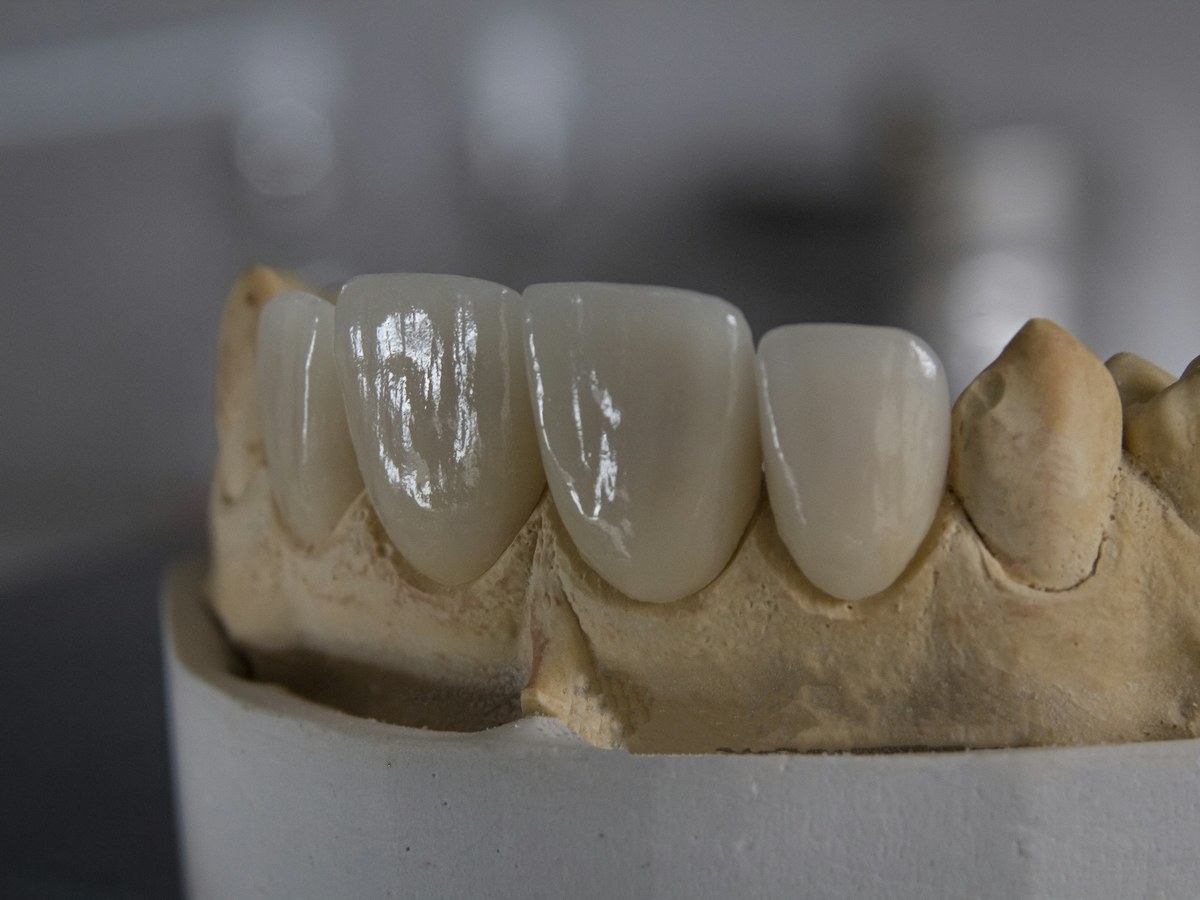
The question patients ask most often is not whether veneers can improve a smile. It is when they should do it.
That question matters more than many people realize. Veneers can create beautiful, durable changes, but timing affects everything from tooth preparation to long-term maintenance to whether the result still makes sense ten or fifteen years later. A twenty-one-year-old with small, worn lateral incisors and years of self-conscious smiling is in a different position than a forty-eight-year-old dealing with staining, old bonding, and bite wear. The best age to consider veneers is rarely a single number. It is a mix of dental maturity, cosmetic goals, oral health, lifestyle, and judgment.
For people researching Veneers Oxnard CA, the answer usually starts with this: the best age is when the teeth, bite, and expectations are stable enough to support a lasting result. Sometimes that happens in the late teens. Often it is in the twenties or thirties. In other cases, waiting is the wiser move.
Age matters, but maturity matters more
Chronological age gives a rough framework, but it does not tell the whole story. Veneers are a conservative cosmetic treatment compared with crowns, yet they are still a meaningful commitment. Even very thin porcelain veneers require planning, careful design, and long-term upkeep. Teeth do not stop being important once they look better. In many ways, they require more attention after cosmetic work, not less.
A younger patient may be legally old enough to choose treatment, but if the bite is still changing, if gum levels are not stable, or if habits like grinding, nail biting, or sports trauma are common, the timing may be off. On the other hand, an older patient is not automatically a better candidate if they have untreated gum disease, active decay, or severe clenching that has never been addressed.
In practice, dentists who do a lot of veneer work look for a few signs of readiness. The adult teeth should be fully erupted. Jaw growth should be complete or very close to it. Gum tissue should be healthy. The patient should know what bothers them about their smile and what result they actually want. It helps when their reasons are specific. “My two front teeth are chipped and uneven” is easier to plan around than “I want a celebrity smile,” which can mean ten different things depending on the person.
The late teen years, usually a time for caution
Many families start asking about veneers around high school graduation, prom season, or before college. Social media has made cosmetic dentistry look fast and simple, and younger patients are exposed to polished smiles constantly. But the late teens are not always the best time to move straight into veneers.
That does not mean veneers are never appropriate for someone eighteen or nineteen. There are situations where they make excellent sense. A Veneers Oxnard CA patient may have small peg lateral incisors, enamel defects, discoloration that does not respond to whitening, or fractures from an accident. In those cases, veneers can dramatically improve appearance while preserving more natural tooth structure than a full crown.
Still, younger teeth have relatively larger pulp chambers, and conservative preparation matters even more. Growth may be mostly complete, but bite dynamics can continue to settle. Gum margins can shift subtly. Habits are also less predictable. A college freshman who says they will wear a night guard every night may mean it sincerely, then lose it during the first semester.
For many teenagers and very young adults, there are excellent alternatives while waiting. Orthodontics can align teeth more naturally and reduce the amount of reshaping needed later. Bonding can repair chips and close spaces with little to no drilling. Whitening can address color concerns if the enamel and age make it appropriate. These solutions buy time and preserve options.
I have seen cases where a patient was grateful they waited. At nineteen, they wanted six upper veneers because of crowding and one dark tooth. At twenty-four, after Invisalign and whitening, they only needed a single veneer and one area of bonding. The result looked better and required far less alteration to healthy enamel.
The twenties, often the sweet spot for first-time veneers
For many adults, the twenties are the first truly ideal window. By then, growth is usually complete, lifestyle patterns are more established, and aesthetic goals tend to be clearer. Patients know whether they are bothered by spacing, shape, edge wear, discoloration, or old bonding that keeps staining and chipping. They are also more likely to understand that cosmetic dentistry is not a one-time event for life. Veneers are long-lasting, but maintenance and occasional replacement are part of the picture.
This is the age range where thoughtful veneer treatment can be especially rewarding. A patient may have healthy enamel, good gum support, and enough time to plan carefully rather than react to years of cumulative dental problems. If only two to four teeth need treatment, the work can be very precise and conservative. If a fuller smile redesign is needed, the patient is still often starting from a relatively healthy baseline.
The twenties also bring practical questions that matter in Oxnard and similar communities. People surf, play beach volleyball, cycle, work public-facing jobs, and spend a lot of time outdoors. Lifestyle affects veneer planning. If someone is very active and has a history of facial trauma or contact sports, the conversation should include mouthguard use. If coffee, red wine, or smoking are part of daily life, shade selection and maintenance become more important. The veneer does not stain like natural enamel, but the surrounding teeth can, which changes the way the smile matches over time.
Patients in this age group usually do best when they pursue veneers for specific improvements, not because they feel pressure to erase every natural imperfection. The best young veneer cases often look unremarkable in the best possible way. The teeth fit the face. They do not look flat, overdone, or unnaturally opaque.
The thirties and forties, where veneers often deliver the biggest payoff
In real practice, this is the age range where veneers often make the most sense. By the thirties and forties, people have a stronger sense of their professional image, their comfort in photos, and the dental concerns that keep resurfacing. Maybe they had bonding repaired three times on the same front tooth. Maybe years of grinding shortened the edges. Maybe tetracycline staining, fluorosis, or old composite fillings make the front teeth look patchy no matter how well they brush.
At this stage, the benefits of veneers become easier to appreciate because the trade-offs are clearer too. A patient knows what has and has not worked. They often have the patience for a full design process, which may include photos, mock-ups, temporary veneers, and discussion of bite function. That process is where many great outcomes are made.
Thirties and forties patients also tend to have realistic motivations. They are not chasing someone else’s smile. They want their own smile to look healthier, brighter, and more balanced. That usually leads to better decisions about shape, translucency, and how many teeth to treat. Sometimes the right answer is eight upper veneers. Sometimes it is two veneers and whitening. Sometimes it is orthodontics first, because the most beautiful veneer is the one that did not have to be placed on a healthy tooth.
This age range also tends to have enough life stability to support good maintenance. Patients are more likely to keep hygiene appointments, replace a broken night guard promptly, and understand that biting into ice or opening packages with the front teeth is a bad habit, not bad luck.
Over fifty, veneers can still be an excellent choice
There is a common misconception that veneers are mainly for younger adults. That is not true. Many patients over fifty are excellent candidates, and sometimes they appreciate the impact more than any other age group. They have often lived with wear, darkening, chipping, and dental work that no longer blends. Restoring the front teeth can make the whole face look more rested and healthy, not because the smile is artificially white, but because the proportions and light reflection improve.
That said, treatment planning at this stage requires more detail. Enamel thickness may be reduced in worn teeth. Existing restorations may be larger. Gum recession might expose root structure that does not respond to whitening the way enamel does. Bite forces from years of bruxism can be significant. In some cases, veneers are still the best choice. In others, crowns, orthodontics, gum treatment, or bite rehabilitation may be the smarter route.
One of the strongest veneer cases I have seen involved a woman in her early sixties who had spent years replacing bonding on her front teeth after an old accident. The teeth were healthy enough to restore conservatively, but the repeated repairs never held their color or shape well. Veneers gave her a stable result and spared her from another cycle of patchwork treatment. Her age was not the issue. Her dental condition and goals were.
When someone is too young, or simply not ready
The better question is often not “What age is best?” but “What signs suggest I should wait?” Age can be part of that, but not always the deciding factor.
Here are situations where a pause is often wise:
- The bite is still changing, or orthodontic treatment is still needed.
- Gum disease, untreated decay, or poor home care is present.
- Teeth are being damaged by grinding, clenching, or nail biting.
- The patient wants veneers to fix broad dissatisfaction rather than specific dental concerns.
- The expected result is unrealistic for the face, bite, or existing tooth structure.
That last point deserves attention. A surprisingly large share of disappointment in cosmetic dentistry comes from mismatch, not poor craftsmanship. Very white, square teeth can look striking in an edited photo and wrong in natural daylight. Tiny details matter. The width of the central incisors, the softness of the edge line, the amount of translucency at the corners, even how the smile line follows the lower lip all influence whether veneers look believable.
Oxnard patients often ask about climate, lifestyle, and timing
Living in a coastal area changes how people think about their smile. Oxnard is casual in some ways, image-conscious in others. People spend more time outdoors, more time at social events in natural light, and often more time in photos than they realize. Bright sun is unforgiving. Veneers that look acceptable in a dim room can look chalky or fake outside. That is one reason local treatment planning should be subtle and individualized.
For patients considering Veneers Oxnard CA, another practical factor is scheduling. Good veneer work should not feel rushed. If someone wants treatment before a wedding, graduation, major interview, or family photos, it is better to plan months ahead than weeks ahead. There may be time needed for whitening adjacent teeth, orthodontic refinement, gum healing, or trial provisionals. Even the best lab work benefits from thoughtful pacing.
Season also matters in a small way. People who travel heavily in summer or during holidays sometimes do better starting the process in a quieter month, when follow-up appointments are easier to keep. Veneers are not high-maintenance day to day, but the design phase and final delivery deserve attention.
The best candidates share certain habits, not just certain ages
A great veneer candidate is not defined by age alone. It is someone who values precision and understands stewardship. They usually brush well, floss consistently, and show up for cleanings. They do not expect veneers to make unhealthy habits harmless. They are open to wearing a night guard if they grind. They are willing to discuss alternatives honestly.
The same smile concern can point to very different solutions depending on the person. A twenty-eight-year-old with tiny spaces between the front teeth and beautiful enamel may be better served by orthodontics and bonding. A thirty-nine-year-old with multiple mismatched fillings and recurrent chipping may get the most durable, aesthetic result from veneers. A fifty-five-year-old with severe wear and a collapsed bite may need broader restorative planning before front veneers are even considered.
Good dentistry is not about selling the same treatment to every age group. It is about matching the treatment to the biology and the person.
What veneers can and cannot solve
Veneers are excellent at changing color, refining shape, closing modest gaps, masking minor malposition, restoring chipped edges, and improving symmetry. They are less ideal when the real problem is major crowding, active grinding without protection, uncontrolled periodontal disease, or a bite that places destructive force on the front teeth.
This is where experience shows. A smile can be made to look good for a few months in many ways. Making it look good and function well for years takes more restraint. Sometimes the most professional recommendation is not yes, but not yet. Patients tend to appreciate that honesty, especially later.
A reliable consultation should cover more than shade and shape. It should address enamel quality, bite pattern, gum architecture, midline, smile width, lower arch visibility, lip dynamics, and how the veneers will interact with the rest of the teeth as they age. The best age for veneers is the age when those variables line up well enough to create a result worth keeping.
Questions worth asking before moving forward
If you are trying to decide whether now is the right time, a few questions can bring clarity:
Will this treatment preserve as much natural tooth structure as possible? Are there simpler options that solve most of the problem? If I grind my teeth, how will that affect design and longevity? How many veneers are truly necessary Veneers Oxnard CA for a balanced result? If my surrounding teeth change color over time, what is the maintenance plan?
Those questions matter more than a birthday. Someone who asks them at twenty-six may be more ready than someone who never asks them at forty-six.
So what is the best age?
If a patient wants one simple answer, the most honest one is this: for many people, the best age to consider veneers is somewhere in the mid-twenties through forties, when the teeth and gums are stable, goals are clear, and the patient can care for the investment properly. But that is only a guideline. Some people are ready earlier for very specific reasons. Others should wait until orthodontic, periodontal, or bite issues are handled first. Still others are ideal candidates well into their fifties and sixties.
The right time is when the smile concern is meaningful, the mouth is healthy, alternatives have been weighed carefully, and the treatment can be done conservatively. That is what tends to produce veneers that still look right years later.
For anyone considering Veneers Oxnard CA, the smartest first step is not choosing a shade. It is getting a careful evaluation from a dentist who is willing to discuss timing as seriously as appearance. Cosmetic dentistry looks effortless only when the planning is not.
Oxnard Dentistry
1730 E Gonzales Rd, Oxnard, CA 93036, United States
+1 805-307-8731
FAQ About Veneers Oxnard CA
How long do porcelain veneers last?
Porcelain veneers can last for many years, but they can chip, loosen, or wear over time. Their lifespan depends on factors such as your bite, whether you grind your teeth, and daily care. Regular dental visits let your dentist check their condition.
Are dental veneers permanent?
Traditional veneers often require removing a small amount of enamel, so that change to the tooth is generally irreversible. Veneers can still need repair or replacement. Ask your dentist how much preparation your teeth would require.
How much do veneers cost in Oxnard?
Cost depends on the material, how many teeth you want treated, and whether you need other dental work first. Ask for a written estimate that explains the price per tooth and what is included.